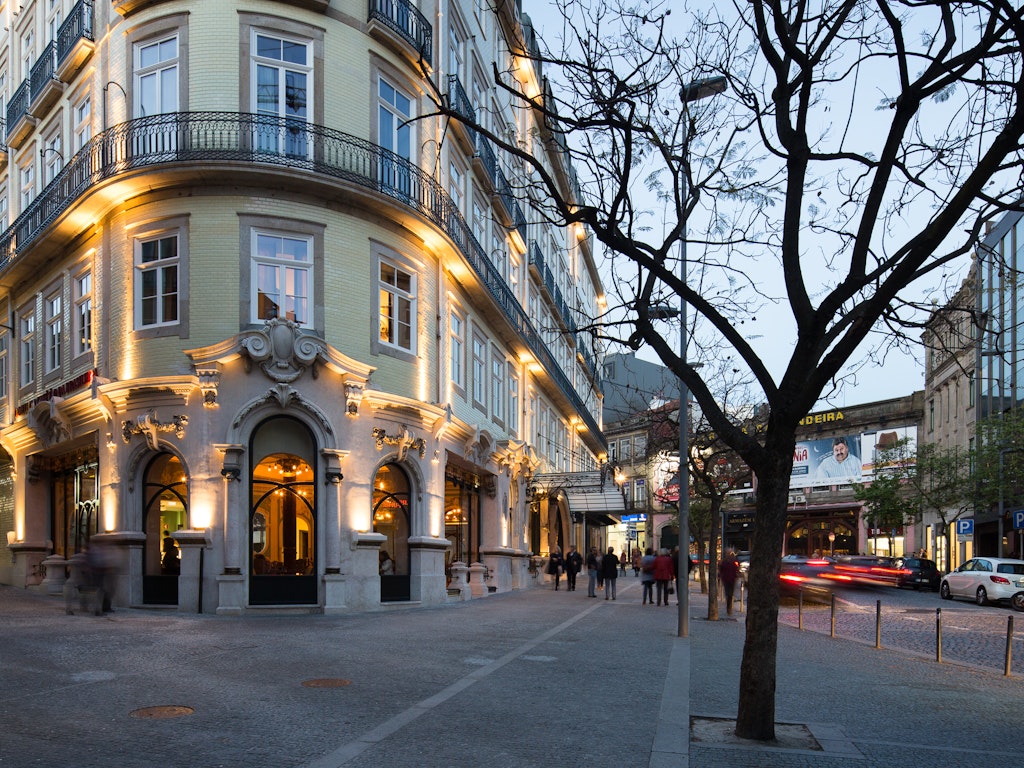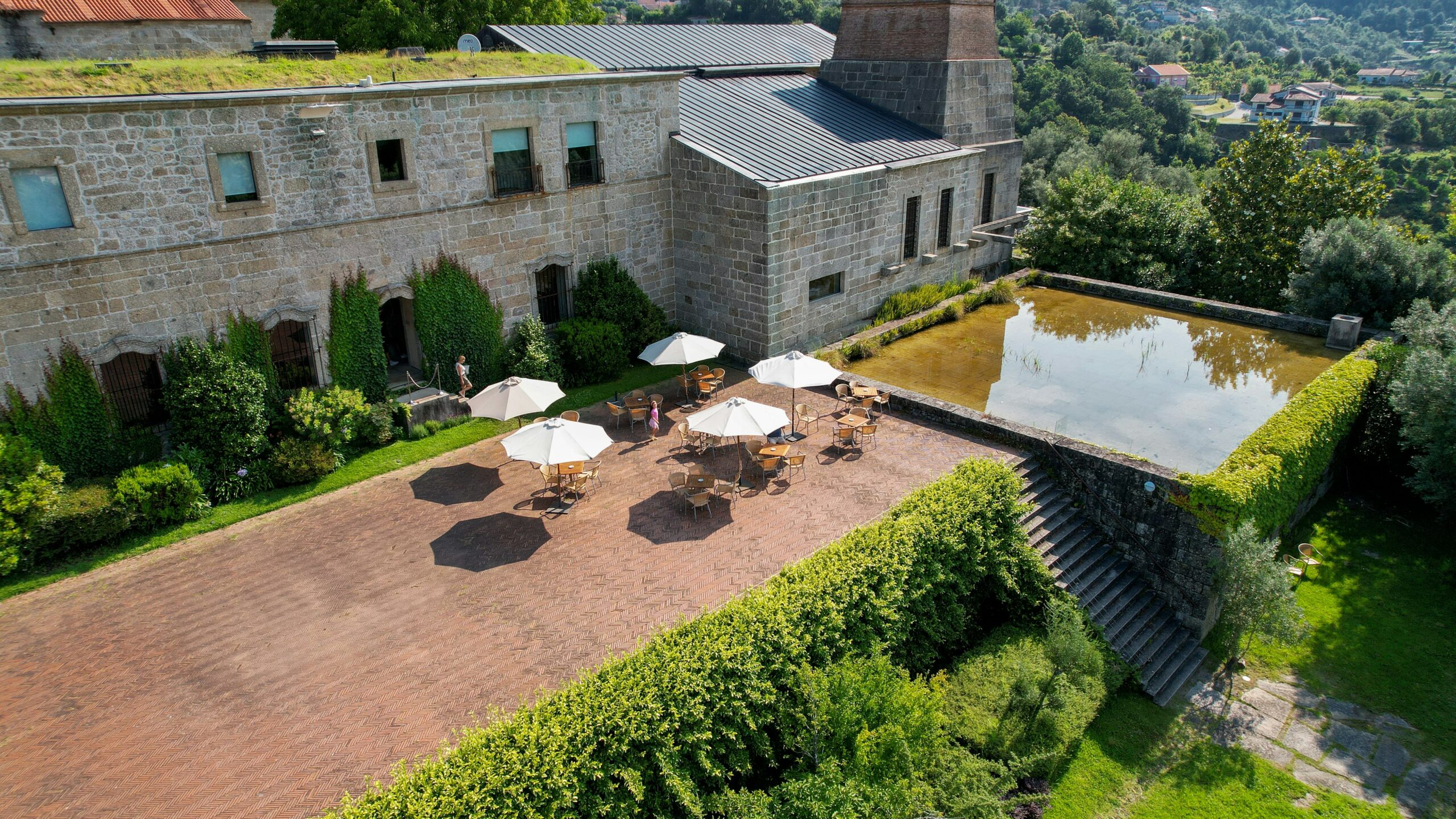


More than just shopping areas, Portuguese markets are a veritable portrait of each region.
Often housed in historic buildings, markets in Portugal can be found throughout the country, where they often act as centres of local life and an excellent starting point for exploring a region. Whether you’re a few steps from 4 and 5 star hotels in Historic Locations, or on a short car ride, visiting a market is a simple and effective way of understanding and experiencing flavours, traditions and local rhythms.
This is the case of the six Portuguese markets below, all close to some of the best hotels and pousadas belonging to the Pestana Hotel Group.
Mercado dos Lavradores, Funchal
First opened in 1940, bearing the unmistakeable Estado Novo architectural style, the Mercado dos Lavradores is one of the most iconic buildings in Funchal. The tile panels at the entrance represent regional scenes that set the tone for what we find inside: stalls of tropical fruit organised by colour, exotic flowers and an impressive fish section on the ground floor, where black scabbardfish is king.
If you’re staying in a hotel in the centre of Funchal, the easiest way to get to Mercado dos Lavradores is on foot, which only takes a few minutes. Ideally, go in the morning when it’s busier and there are more locals shopping.
Mercado da Ribeira, Lisbon
Built in the 19th century, the Mercado da Ribeira mixes the classical structure of the building with contemporary gastronomy. The central dome and the historic clock have retained their original style, while the food area injects a new lease of life, covering around 10 thousand square metres.
From the hotels in Lisbon’s historic centre, it’s easy to get to Mercado da Ribeira on foot or via tram. It’s worth visiting the market either in the morning, when you can see the traditional market during its working hours, or at mealtimes, in order to enjoy a wide range of local dishes right there.
Mercado do Bolhão, Porto
Inaugurated in 1914, the Mercado do Bolhão is a symbol of the city. The neoclassical building, with its wrought iron indoor galleries, was recently refurbished, retaining the original style. The stalls still sell regional produce – cheeses, cold cuts, vegetables – and the ambience is still old style and authentic. Don’t be startled by the shouts of the florists and fish wives, the volume is part of the experience.
Staying in a hotel in Porto city centre, the walk to Mercado do Bolhão only takes a few minutes and involves a stroll through historic streets. It’s a great stop to make before exploring Rua de Santa Catarina or Avenida dos Aliados.
Praça da Fruta, Caldas da Rainha
The Caldas da Rainha fruit market (Praça da Fruta) is one of the few daily outdoor markets in Portugal. It’s located in the Praça da República and keeps a century-old tradition closely linked to agricultural production in the Western region (Oeste). In addition to high-quality products at good prices, it boasts authenticity and tradition.
From the Pousadas de Portugal in Óbidos, the Praça da Fruta market is around 10 minutes by car. It’s best to visit in the morning, when the producers have their stalls all stocked with seasonal fruit, vegetable and flowers. The experience is straightforward, seamless, and involves direct contact with the local community.
Mercado do Livramento, Setúbal
Considered by many to be one of the finest fish markets in the world, Mercado do Livramento is also impressive for its 20th-century tiles, which depict scenes from the life of fishing communities. Located next to the riverside, the large building is bright and colourful, and bursts into life every morning.
From the Pousada Castelo Palmela, it’s a 15-minute car ride; from Pestana Tróia, just catch the boat for Setúbal and take a five-minute stroll. It’s worth it for the experience but also for the chance to scout some culinary treasures – in addition to fish and seafood, there are cheeses from Arrábida, esses [traditional biscuits] from Azeitão, Piedade biscuits and honey, which are truly unique.
Mercado Municipal de Olhão, Olhão
Located next to Ria Formosa, the two red-brick buildings of the Mercado de Olhão are an architectural landmark in the city – it’s impossible to miss them. Built in the early-20th century, it reflects the region’s strong bond with the sea.
The market is well known for the quality of its fish and shellfish, but there’s a tip only the locals know about: on Saturday mornings, local producers set up extra stalls outside, which creates a livelier and more authentic atmosphere. From the different Pestana hotels in the Algarve, travel time by car varies between 20 and 50 minutes.