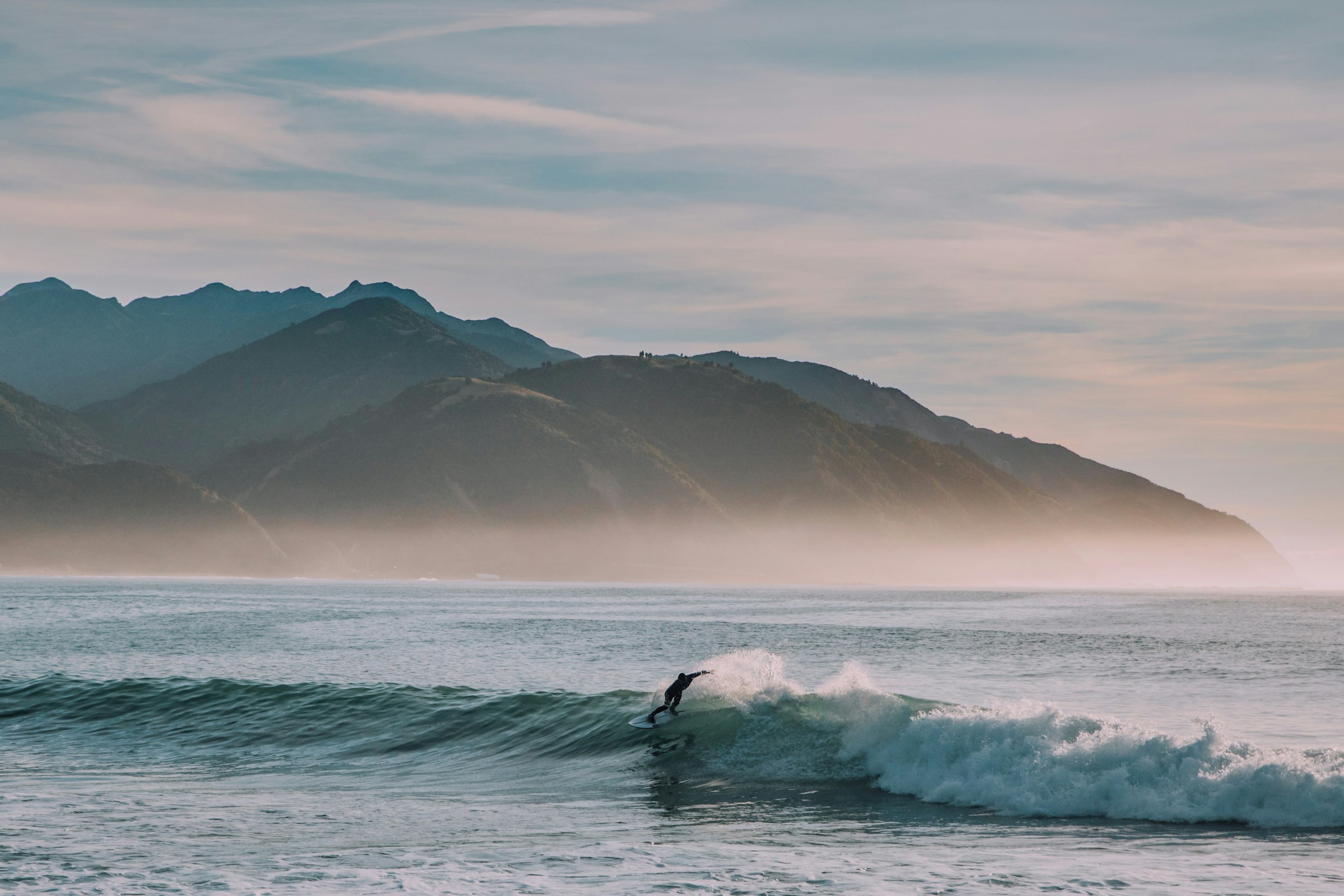

Portugal is paradise for surfers. Along a single stretch of Atlantic coastline there are waves for beginners, tubes for the advanced, quiet spots for those who prefer silence and line‑ups where surfing is almost a religion.
Portugal boasts over 800 km of coastline and a wide variety of surfing conditions. There are countless beaches, and the ‘best’ always depends on what you’re looking for. Let’s see what suits you!
There are spots for big waves that are almost legendary, such as Peniche and Nazaré; others that mix solid surfing with village or town life, such as Cascais, Sintra and Sagres; and also more tranquil zones, such as Porto Covo or Viana do Castelo, where the pace is gentler and surfing blends with less-crowded landscapes. The major advantage in most of these spots is that surfers can be very close to the water and tailor daily plans to the weather, depending on the wind and the swell. Now it’s time to head down the coast, from north to south along mainland Portugal.
Viana do Castelo, North
In the north, Viana do Castelo is an excellent base to explore the Atlantic waves with fewer people and colder water, although quite consistent. The region’s beaches have good waves from east and northeast, with sandy bottoms that provide breakers accessible for different levels. Cabedelo beach is a local classic, very popular with surfers and surfing schools; in Afife, the waves are consistent and the atmosphere wilder; Praia da Arda, less urbanised, is popular with nature lovers and consistent breakers.
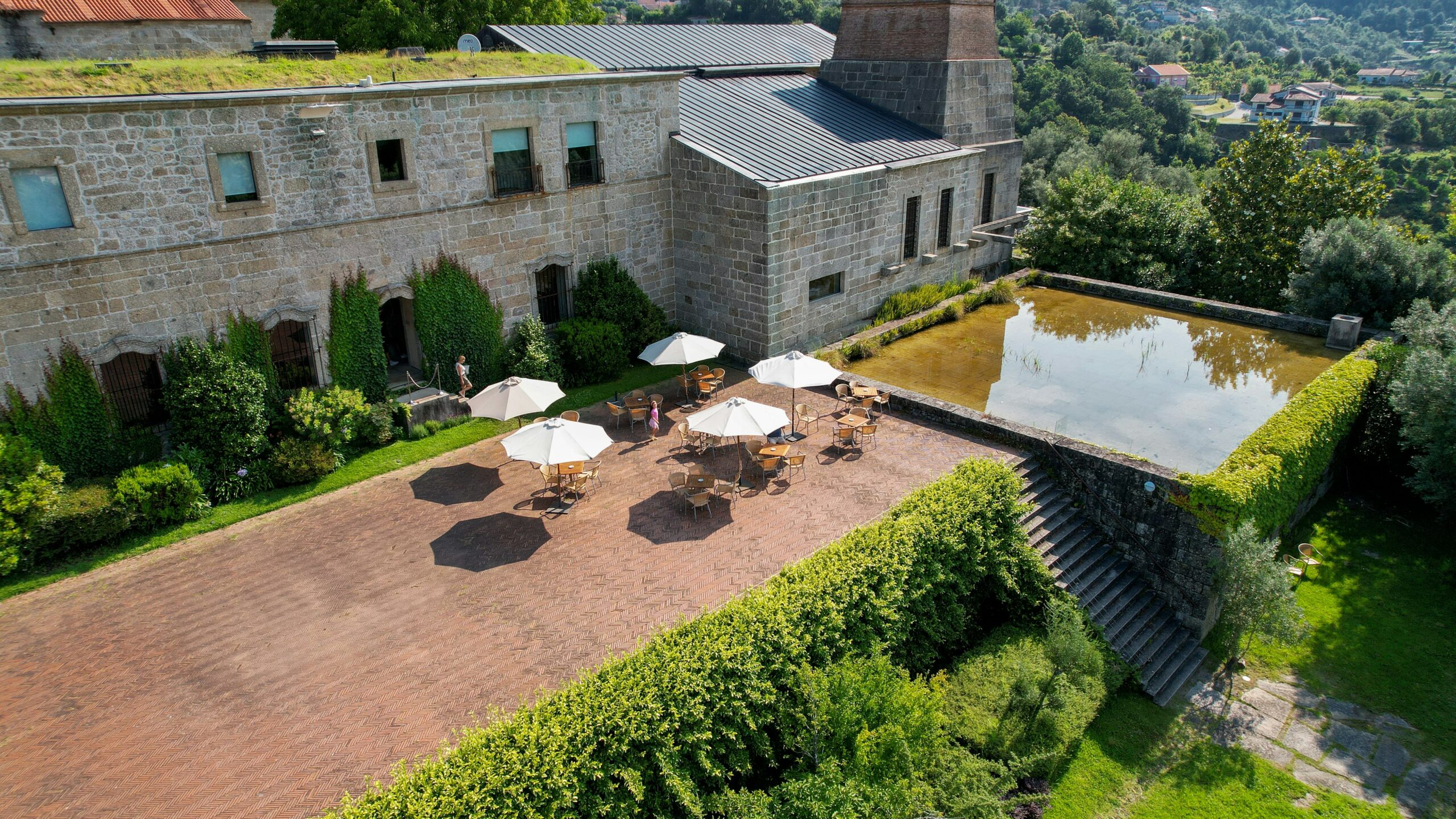
At the Pousada Viana do Castelo, perched upon Monte de Santa Luzia, you get a very unique perspective on the relationship between surfing and the landscape. From the balcony, you can see the town, the River Lima and the sea below, with the beaches just a stone’s throw away.
Peniche, Center
For decades, Peniche has been one of the epicentres of surfing in Portugal. The peninsula has a number of beaches facing different directions, which allow visitors to avoid the wind or excessive swell only by moving to a different bay. On classic days, Baía and Molhe Leste produce long waves, perfect for those looking to improve their line surfing; Supertubos, on the other hand, is known for its strong barrels, best for experienced surfers.
20 minutes from the sea but in a time capsule is Óbidos. The picturesque medieval village is the perfect base for a surfing trip that’s not just about surfing, and that is rich in tradition, culture and gastronomy. For those staying at a hotel in Óbidos, Nazaré is near and is worth a visit for its famous huge waves, which sometimes are above 15 metres and have put the town on the global surfing map.
Guincho, Cascais
In Cascais, it isn’t only the waves that deserves attention but also the scenario that surrounds it. Guincho is one of the region’s must-see places and popular with surfers. It’s well known for its strong wind, which is why it offers some of the best surfing and windsurfing sessions in the area. On calmer days, it’s excellent to develop your skills and see how small variations in the swell can completely change the type of wave.
If you are staying at one of the hotels in Cascais, the journey time to the beach is kept to a minimum. Before or after catching some waves, it’s easy to relax in the pool and walk around the marina or enjoy some grilled fish at one of the town’s classic restaurants. Staying nearby means you can adapt to the weather: if Guincho is too rough, there are always alternatives just along the coast.
Praia Grande, Sintra
Sintra is a picture postcard made up of palaces beneath the romantic mist of the mountains; however, it’s also the force of the sea that commands the coast. Surfing in Sintra means experiencing the feeling of being caught between two forces: that of the forest and the ocean. On the Praia Grande beach, two of the great classics of the area, the waves vary a great deal over the year. The place hosts surfing, bodyboard and longboard championships and meetings, thanks to the sandy seabed that generate different types of swell.
The hotel in Sintra is perfect for anyone who wants to wake up to a view of the mountains and, just a short (and scenic) walk away, to be able to stare out at the sea, surfboard under their arm. If you have the time, you can explore the mountain greenery, as well as the blue of the sea.
Porto Covo, Alentejo
Porto Covo is one of the most interesting spots on the Alentejo coastline (Costa Alentejana) for someone who wants to mix surfing and landscapes. Porto Covo’s Praia Grande has a wide sandy beach, with consistent beach breaks that facilitate swell from the east and north, ideal for intermediate surfers on average days and when the sea gets a bit rougher. Just a few kilometers away, São Torpes has very frequent waves and is home to a number of surf schools, ideal for those who are learning or want a peaceful place to pratise.
Staying in hotels in Porto Covo is a good choice to explore the entire stretch of beaches between Sines and Vila Nova de Milfontes, in addition to the restaurants, cafés and supermarkets to restock between sessions.
Sagres, Algarve
In the small town of Sagres, surf and body boards are part of the street furniture, propped up against walls, verandas, vans and cafés. It’s a surfing town, and not just for the occasional visit or just in summer months. Tucked away between cliffs, Tonel beach appeals to those who already have some experience and enjoy the adrenaline rush of a dramatic landscape. Mareta Beach, which is more sheltered and often has gentler waves, is perfect for beginners or those who simply want a relaxed session in the late afternoon. On days when conditions are good, Beliche beach is a favourite spot for those seeking a balance between challenge and fun.
The ideal thing is to book a hotel 5 minutes from the beach, so that surfing becomes part of the stay. At Pousada Sagres there’s a Surfing Zone, where you can get your board cleaned, your suit rinsed and everything dried for comfort, as well as a Bike Zone, so you can explore the biking trails too.