
On Rua Sá da Bandeira, one of Porto’s most impressive cafés gave rise to a hotel that preserves its heritage.
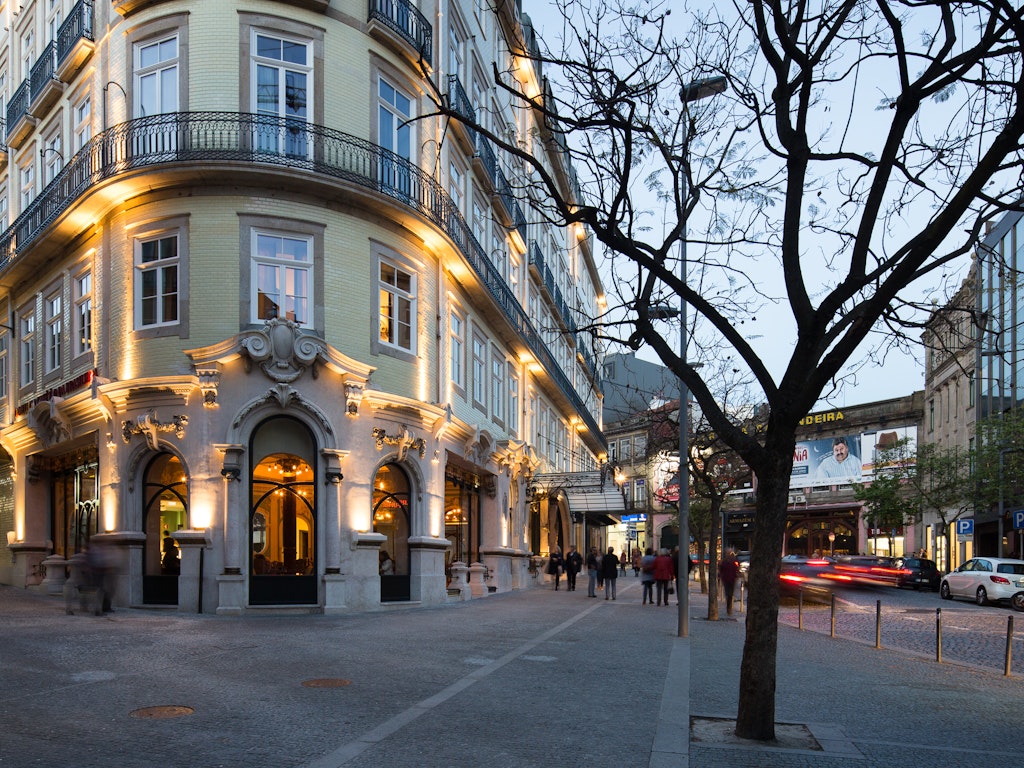
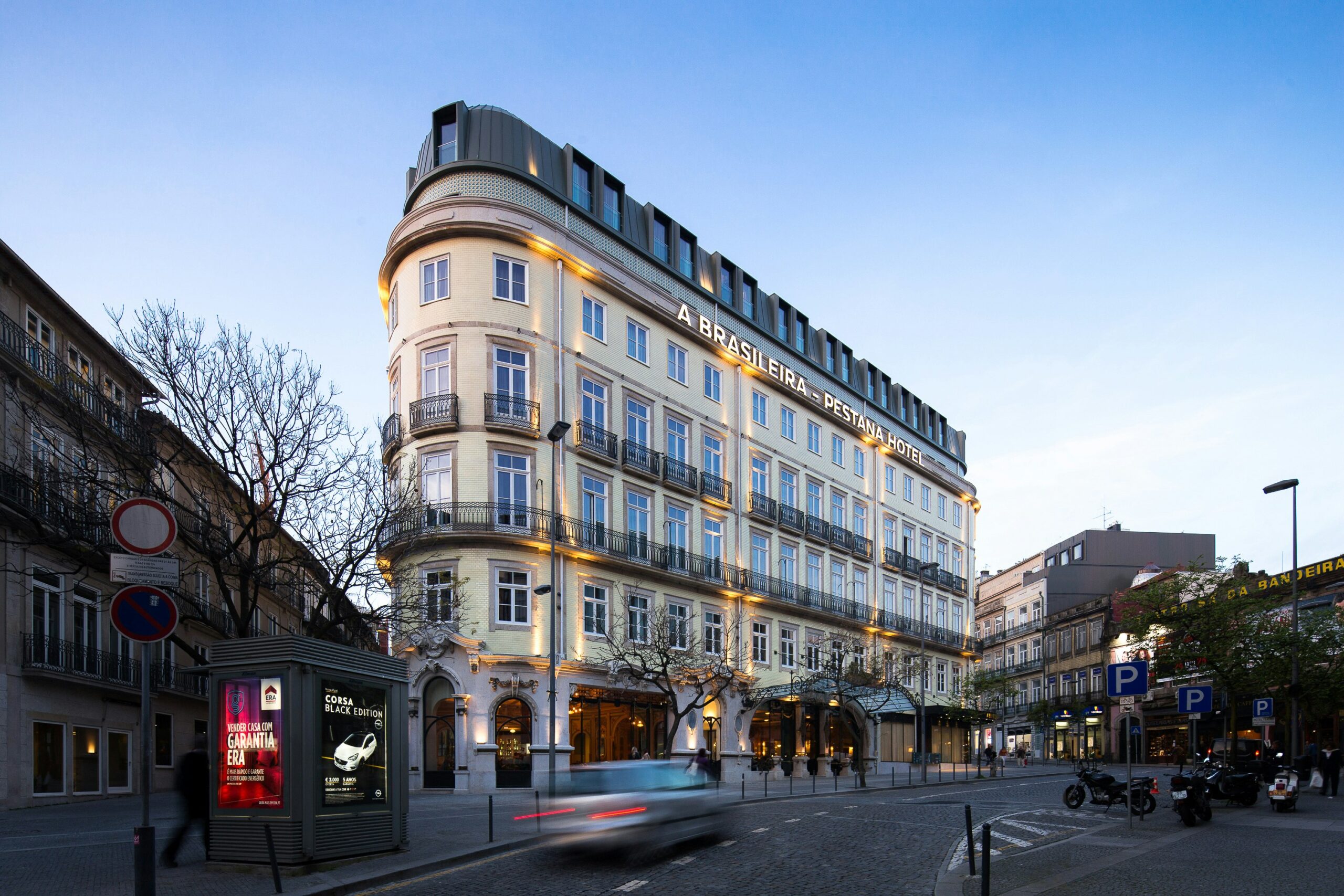
In Porto’s city centre, more precisely on Rua Sá da Bandeira, there’s a façade that’s been attracting those who pass by for over a century. A Brasileira cafeteria first opened its doors on 4 May 1903 and over a century later, the same address is home to the Pestana A Brasileira Porto, a 5-star hotel in downtown Porto installed in a building whose history is very much alive.
The coffee from Brazil
The story begins with Adriano Teles, from Alvarenga, Arouca, who emigrated to Brazil at a young age. In Minas Gerais, he got involved in the coffee business and built a life before returning to Portugal, in the late-19th-century. He brought back knowledge, a product, and an idea: selling coffee and teaching the Portuguese how to drink it from a cup. A Brasileira in Porto would be the first step on that journey.
When he opened the cafeteria, drinking coffee outside the home was not yet part of the city’s daily routine. Teles realised that to sell a new product he needed to make it familiar. During the first few years, anyone who bought a bag of ground coffee was given a fresh cup, in addition to a leaflet with instructions on how to prepare the drink at home. At the cafeteria, the coffee was roasted and sold, but it was also served and explained. In this way, A Brasileira helped transform an imported commodity into a daily habit.
Product promotion went beyond the threshold of the shop, with Teles spreading a slogan throughout the city, which became synonymous with the establishment: “O melhor café é o d’A Brasileira” [The best coffee is from A Brasileira]. The brand acquired recognition and the business expanded to other Portuguese cities, including Lisbon, Braga, Aveiro and Coimbra, and even reached Spain, namely Seville.
A city café
Due to its success, the premises were extended in 1916 with A Brasileira featuring a special room for coffee tasting, an unusual concept for the time, but one that was soon embraced by Porto’s social scene, becoming a regular haunt for the city’s cultural and political figures.
The image that made the café famous to this day became firmly established in the decades that followed. There was marble, mirrored surfaces, ornate ceilings, glass and metal features that gave the café the feel of a grand urban hall. The architectural design, by the architect Francisco de Oliveira Ferreira, helped to make A Brasileira one of the most recognisable interiors in Porto’s city centre.
Over the years, the café has gone through different cycles. It closed in 1990, and was left to run down for some time, reopening in 2003. In 2015, when the building was closed, various decorative features were stolen from the main room. In 2018, on the café’s 115th anniversary, the building reopened as Pestana A Brasileira Porto. The careful intervention preserved the façade and restored or reconstructed original features on the ground floor, where the cafeteria and restaurant continue to serve. The aim was never to replace A Brasileira but to honour its history.
A history of spices
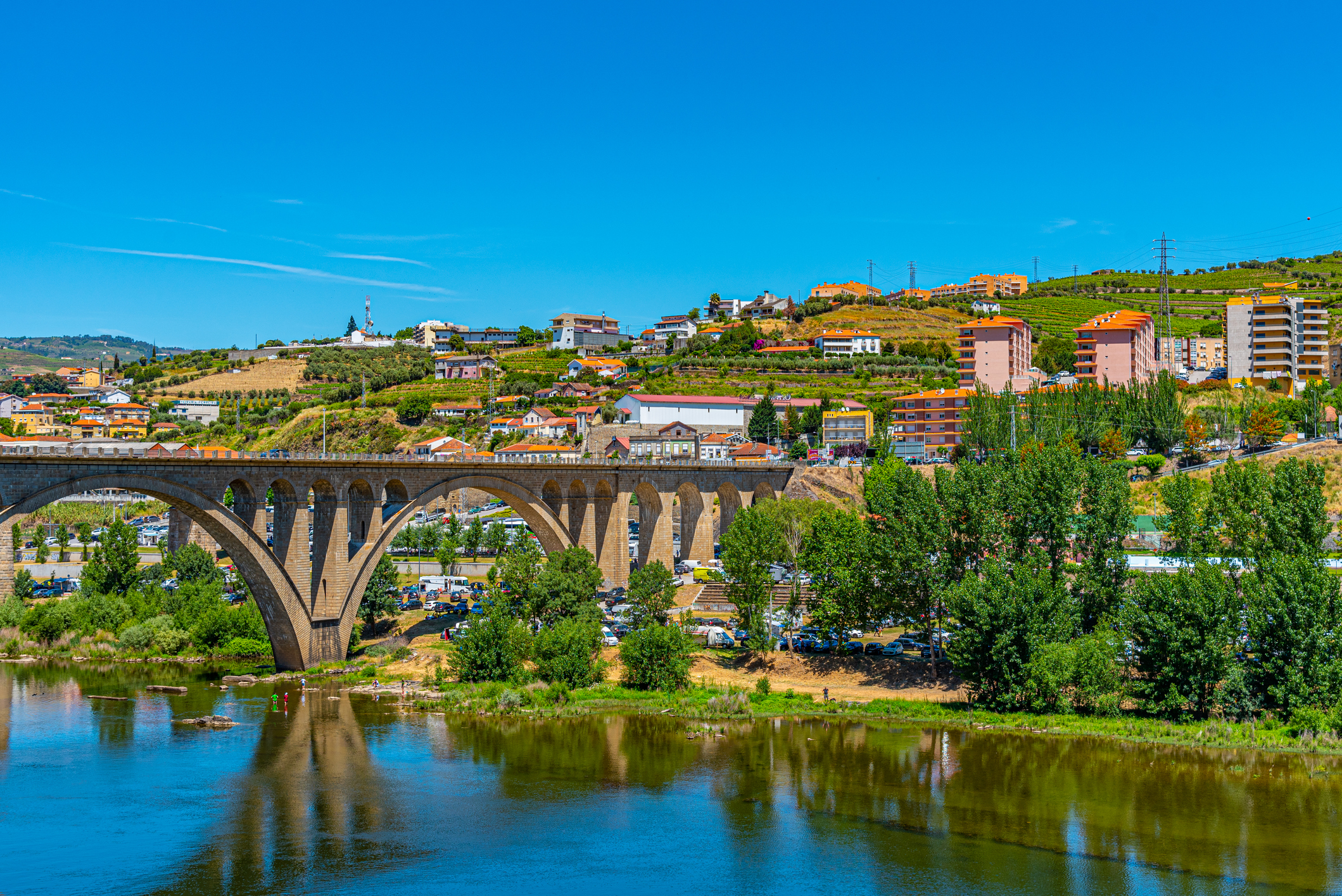
The history of A Brasileira’s coffee cannot be separated from the commercial connection that linked Portugal, Brazil and Porto. For centuries, the River Douro and the port city were places of arrival, departure, storage and distribution of goods. Products from far away passed through docks, trading houses and warehouses before entering everyday life. Coffee was one of them, but not the only one.
The hotel’s six themed floors get their inspiration from these flavour routes centred on coffee and spices. Coffee, tea, cocoa, pepper, cinnamon and aniseed offer their names and character to the different floors, creating a contemporary interpretation of the history of spices. These references invite guests to take notice of things that might otherwise go unnoticed.
Staying where the history endures
A Brasileira Cafeteria remains open to guests, locals and visitors. You can pop in for a coffee or for some cake from the bakery, or you can order breakfast and enjoy a light meal throughout the day. The place also revives the original link between selling ground coffee and drinking it at the premises: those who try it there will soon wish to take it home as well. This idea remains true to the original concept behind the establishment.
There’s also a cake that has been created to mark the opening, on 4 May, 1903. The recipe mixes dried fruit, apricot, carrot, cinnamon and lemon (no added sugar), adding a tangible dimension to the story of the spices – it’s a way of tasting the place’s history.
A Brasileira remains an open door overlooking the city, just as it was in 1903. From the outside, Rua Sá da Bandeira retains the constant hustle and bustle of Baixa; inside, the cafeteria retains the memory of a time when drinking coffee by the cup was something rather exotic.
This hotel adds a new chapter to this story, and its recent inclusion in the Pestana Collection Hotels establishes this building as a place of living heritage. A stay here acquires a new dimension, allowing guests to experience Porto at close quarters.