
Every first-time visitor to Portugal faces the same dilemma. Lisbon or Porto? The capital or the northern icon? The city of light or the city of port wine?
It sounds like a simple question, but after a few minutes of research you realize the two cities deliver radically different versions of the same country, and whichever you pick, you are getting a very different version of Portugal.
Lisbon is expansive, sun-drenched and cosmopolitan. It spills across seven hills toward the Tagus estuary, offering wide avenues, golden-hour viewpoints and a food scene that pulls from former colonies across three continents. Porto, roughly 300 km to the north, is compact, atmospheric and unapologetically old-school. Its medieval streets tumble down to the Douro River, its granite churches wear coats of blue azulejos, and its restaurants still serve dishes your great-grandmother would recognize.
The good news: Portugal welcomed 32.5 million guests in 2025, a 3% increase over the previous year, and infrastructure between both cities has never been better. A high-speed Alfa Pendular train covers the distance in about 2 hours and 40 minutes, making a dual-city trip entirely realistic. But if you only have time for one, this guide will help you decide.
Lisbon vs Porto at a Glance
| Category | Lisbon | Porto |
| Population (metro) | ~2.9 million | ~1.7 million |
| Airport code | LIS (Humberto Delgado) | OPO (Francisco Sá Carneiro) |
| Vibe | Cosmopolitan, bright, spread out | Intimate, moody, walkable |
| Signature drink | Ginjinha (sour cherry liqueur) | Port wine (tawny, ruby, white) |
| Iconic dish | Pastel de nata, bacalhau à Brás | Francesinha, tripas à moda do Porto |
| UNESCO sites | Jerónimos Monastery, Belém Tower | Historic Centre of Porto |
| River | Tagus (Tejo) | Douro |
| Average hotel cost | Higher (capital premium) | 20-30% lower on average |
| Best for | Variety, nightlife, day trips | Wine, romance, food traditions |
The Case for Lisbon: Big, Bright and Endlessly Varied
Lisbon is the right city if you want options. On a single day you could ride Tram 28 through Alfama’s labyrinthine alleys, eat grilled sardines at a hole-in-the-wall in Mouraria, tour the Manueline splendor of the Jeronimos Monastery in Belem, and end the evening on a rooftop bar in Bairro Alto watching the sun melt into the Atlantic. Few European capitals pack that much range into such a compact area.
What makes Lisbon stand out
The light. Lisbon averages roughly 2,800 hours of sunshine per year, making it one of the sunniest capitals in Europe. That golden glow bouncing off the Tagus and the pastel facades of Chiado is not a filter. It is the actual color of the city.
The day-trip radius. Within 40 minutes of Rossio station you can reach the fairy-tale palaces of Sintra, the Atlantic surf breaks of Ericeira, or the waterfront promenades of Cascais. No other Portuguese city comes close for day trips.
The food scene. Lisbon’s dining landscape stretches from century-old tascas (think canned sardines, bread and wine for under 10 EUR) to Michelin-starred tasting menus at Belcanto. Located in Cais do Sodré, the Time Out Market occupies part of the historic Mercado da Ribeira, bringing some of Lisbon’s best chefs together under one roof while preserving the market’s traditional spirit.
The nightlife. From fado houses in Alfama to electronic clubs along the riverfront in Santos, Lisbon has the most diverse after-dark offer in Portugal. Bairro Alto alone contains over 250 bars crammed into a few blocks.
Where to stay in Lisbon with Pestana
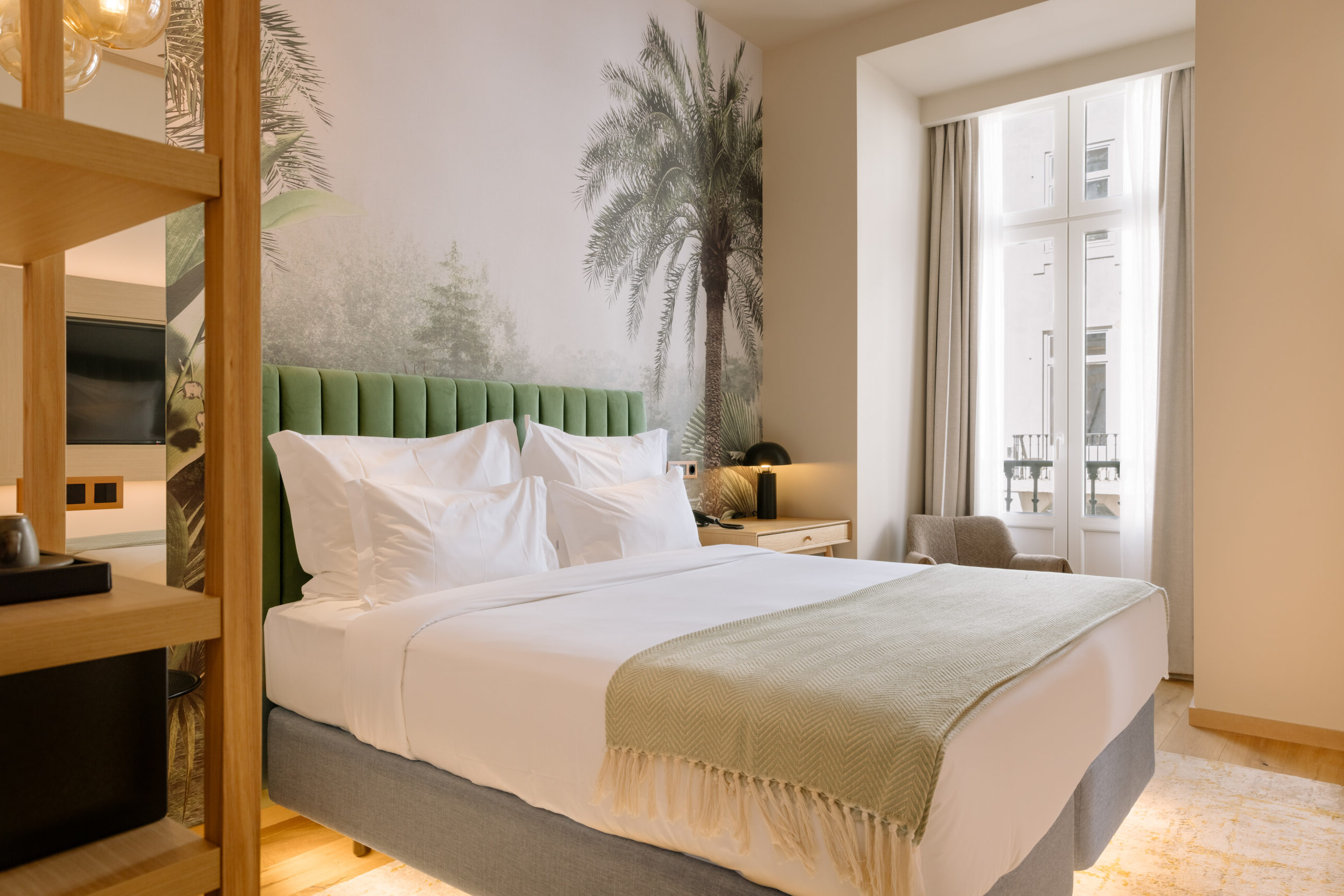
For a five-star experience in a restored 19th-century palace surrounded by botanical gardens, the Pestana Palace Lisboa is hard to beat. Listed as a National Monument, it blends period furniture with modern comfort and sits just minutes from Belem’s major attractions. If you prefer to be in the thick of it, the Pestana CR7 Lisboa puts you on Rua do Comércio, steps from Praça do Comércio and the Tagus waterfront. For those who want a boutique feel on the city’s most emblematic avenue, the Pestana Rua Augusta Lisboa occupies a prime corner of the Baixa Pombalina, Lisbon’s geometrically planned downtown rebuilt after the 1755 earthquake.
Deeper dives into Lisbon’s hotel scene are available on Pestana Stories, including behind-the-scenes looks at the Pousada Lisboa in Praça do Comércio and the Pousada Alfama.
The Case for Porto: Compact, Soulful and Made for Slow Travel
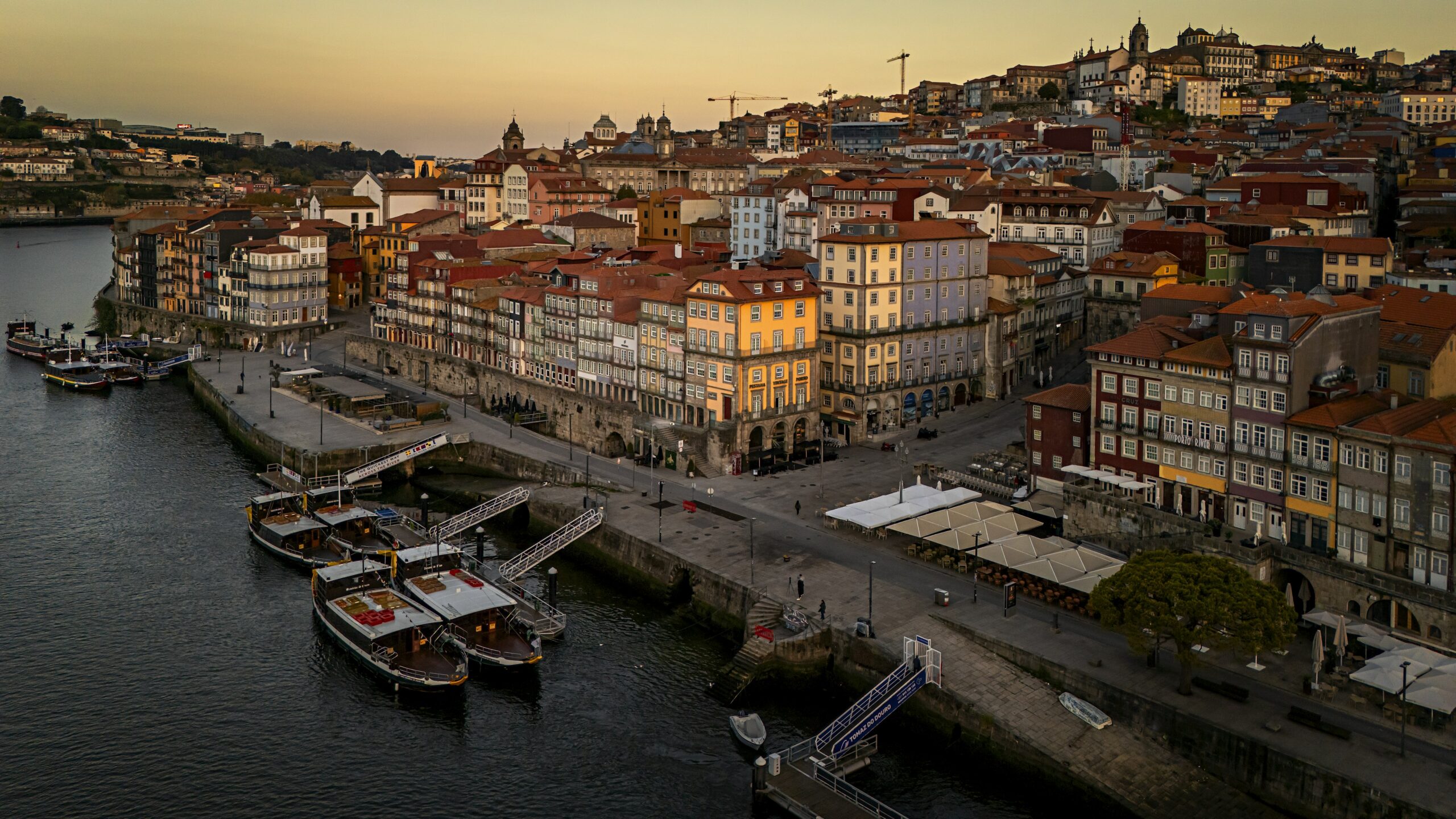
Porto does not try to be a capital. It does not have Lisbon’s sprawl, its beach-club scene or its international gloss. What it has instead is a density of character that few cities this size can match. Walking from São Bento station (with its famous azulejo panels depicting Portuguese history) down to the Ribeira waterfront takes about 15 minutes, and in that stretch you pass Gothic churches, Baroque bell towers, independent bookshops and at least three restaurants that have been open longer than most countries have existed.
What makes Porto stand out
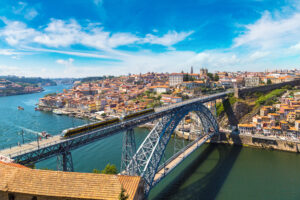
The Douro. The river defines Porto more than the Tagus defines Lisbon. Cross the Dom Luís I Bridge at sunset and watch the port wine lodges of Vila Nova de Gaia glow amber in the fading light. Or take a Douro Valley day cruise through UNESCO-classified terraced vineyards where port grapes have been harvested since Roman times.
The wine culture. Port wine is only the beginning. The Douro and Minho regions produce outstanding vinho verde, powerful reds and increasingly respected whites. In Vila Nova de Gaia alone, you can visit over 50 cellars for tastings. The Vinology wine bar at Pestana Vintage Porto offers curated flights without the tourist-bus crowds.
The food. Porto’s food identity is rooted in the north: hearty, generous, uncompromising. The francesinha, a meat-and-cheese sandwich drowned in spicy beer sauce, is the city’s unofficial mascot. Tripas à moda do Porto (tripe stew) gave locals their nickname, tripeiros. And the Bolhão Market, recently restored to its Art Nouveau glory, is the best place in Portugal to watch a city do its weekly shopping.
The affordability. Porto is consistently 20 to 30% cheaper than Lisbon for accommodation, dining and transport. A quality dinner for two with wine runs 40 to 60 EUR in Porto versus 60 to 90 EUR for a comparable meal in the capital.
Where to stay in Porto with Pestana
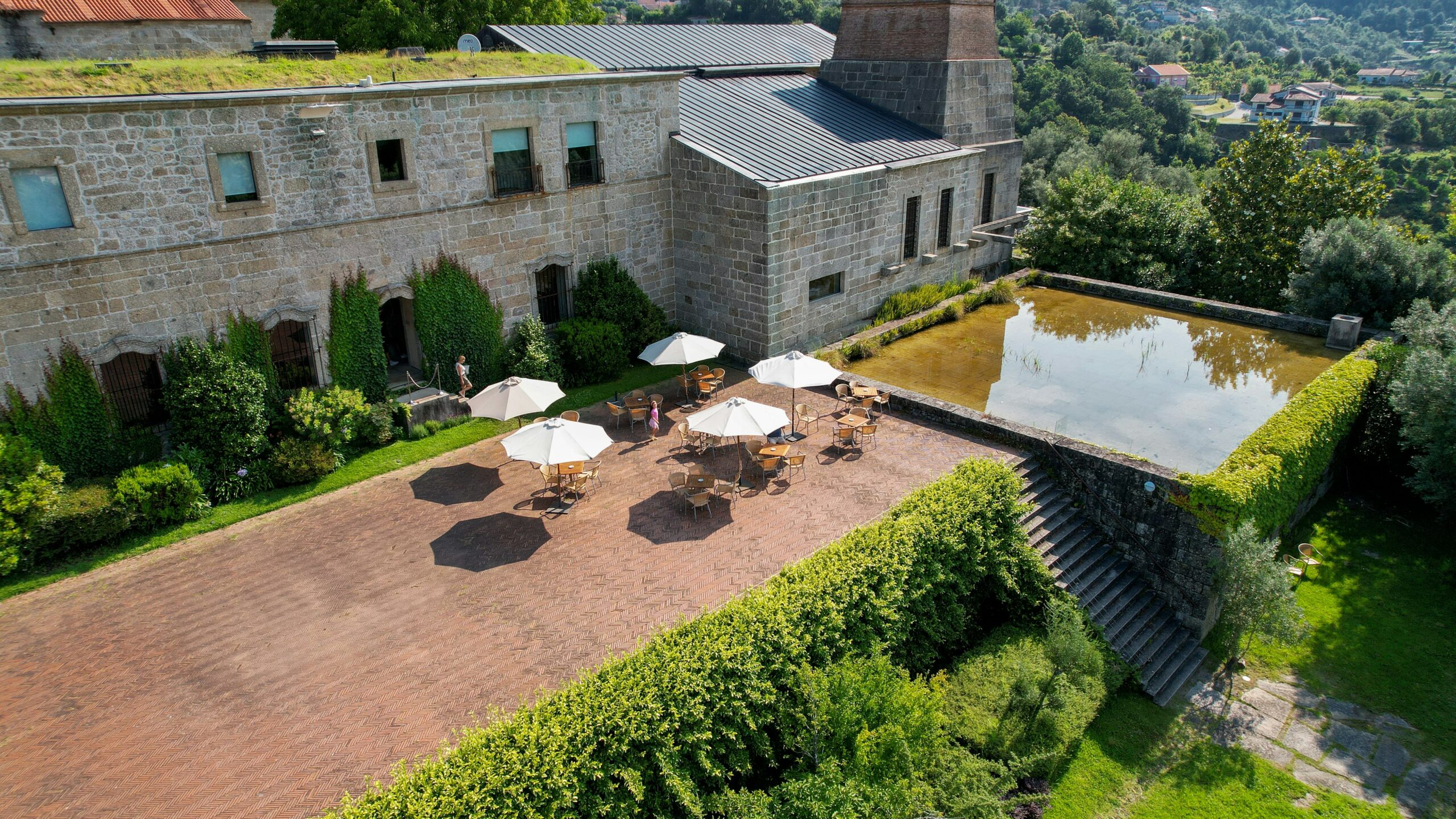
The Pestana Palácio do Freixo – Porto is a baroque national monument on the banks of the Douro, designed by Nicolau Nasoni, the Italian architect responsible for the iconic Clerigos Tower. Its infinity pools overlook the river and the property feels like a private estate rather than a hotel. In the city center, the Pestana Porto – A Brasileira occupies the legendary Café A Brasileira building on Rua de Sá da Bandeira. For a riverside location in the UNESCO historic zone, the Pestana Vintage Porto puts the Ribeira, the Dom Luís I Bridge and the wine cellars within a five-minute walk. Nearby, the Pousada Porto Rua das Flores is set in an elegantly restored 18th‑century historic building, offering a refined stay in the heart of the old town. Pestana Stories has a dedicated piece on unique accommodations in Porto worth reading before you book.
Head-to-Head: How Lisbon and Porto Compare
Getting there
Lisbon’s Humberto Delgado Airport (LIS) is Portugal’s main international gateway, handling roughly 30.7 million passengers in the first ten months of 2025. Direct flights connect it to most major hubs in Europe, North America, South America and Africa. Porto’s Francisco Sá Carneiro Airport (OPO) is smaller but growing fast, with about 14.5 million passengers in the same period and an increasing number of direct routes from the US and UK. If you are flying from North America, Lisbon will almost certainly offer more nonstop options. From Europe, both cities are well served by low-cost carriers.
Getting around
Lisbon has trams, buses, a metro system and ferries across the Tagus. It is bigger and hillier, and you will walk more to cover the same ground. Porto is more compact: most major sights sit within a 2 km radius of the Ribeira. The metro connects the airport to the center in about 30 minutes. Both cities reward walking, but Porto is gentler on the legs.
Weather
| Season | Lisbon | Porto |
| Spring (Mar-May) | 15-22°C (59-72°F), mild and sunny | 12-19 °C (54-66°F), some rain in March |
| Summer (Jun-Aug) | 25-32 °C (77-90°F), hot and dry | 20-27 °C (68-81°F), warm but cooler evenings |
| Autumn (Sep-Nov) | 17-26 °C (63-79°F), warm into October | 14-22 °C (57-72°F), rain picks up in November |
| Winter (Dec-Feb) | 9-15 °C (48-59°F), mild, occasional rain | 6-13 °C (43-55°F), cooler and wetter |
Lisbon wins on sunshine year-round. Porto’s summers are more comfortable for walking, but winters are noticeably cooler and wetter. The sweet spot for both cities is May, June, September and October.
Culture and sightseeing
Lisbon’s headline attractions include two UNESCO World Heritage Sites in Belem (Jeronimos Monastery and the Tower of Belem), the Alfama district’s medieval street grid, the MAAT contemporary art museum and the Lisbon Oceanarium, one of Europe’s largest. Porto counters with its own UNESCO-listed historic center, the Livraria Lello (one of the world’s most beautiful bookshops), the Serralves Museum of Contemporary Art, and the Clerigos Tower panorama. Lisbon has more volume, Porto has more concentration.
Day trips
This is where Lisbon pulls ahead decisively. Sintra (30 min by train) is a UNESCO landscape dotted with romantic palaces and castles. Cascais offers a seaside escape with elegant promenades. Setúbal and the Arrábida coast are under an hour south. From Porto, the Douro Valley is the star day trip: vineyard terraces, river cruises and wine tastings. Guimarães (the birthplace of Portugal) and Braga (Portugal’s religious capital) are each about an hour north. Aveiro, with its canals and colorful boats, is 75 minutes south.
So Which City Should You Visit First?
There is no universal answer, but there is a pretty reliable decision framework.
Pick Lisbon if this is your first trip to Europe and you want a capital-city experience with maximum variety, easy international flights, exceptional day trips and a food scene that covers everything from street carts to Michelin stars.
Pick Porto if you have already done a few European capitals and you are looking for something more intimate. If wine culture, authentic northern cooking, and a moody riverside are what you are looking for, Porto is the better pick.
Pick both if you have at least six nights. Fly into Lisbon, spend three or four nights exploring the capital and its satellites, then take the Alfa Pendular train north and spend two or three nights in Porto. Or reverse the route. The Pestana Stories guide to a Portugal road trip from north to south offers a detailed itinerary for exactly this kind of journey.
Most visitors who start with one city end up coming back for the other. And many end up extending their trip to the Algarve, Madeira or the Azores.
Practical Tips for Planning Your Trip
Getting between Lisbon and Porto
| Mode | Duration | Approx. Cost | Best For |
| Alfa Pendular train | 2h 40min | 25-40 EUR one-way | Comfort, city-center to city-center |
| Intercidades train | 3h 10min | 20-30 EUR one-way | Budget travelers |
| Rede Expressos bus | 3h 30min-4h | 10-20 EUR one-way | Lowest price |
| Rental car | ~3h (A1 motorway) | Fuel + tolls ~25 EUR | Flexibility for stops along the way |
| Flight | ~1h (plus airport time) | 30-80 EUR | Rarely worth it for this route |
Best time to visit
May to mid-June and September to October are ideal for both cities. Summer (July/August) brings peak crowds and heat to Lisbon (regularly above 30 °C (86°F)), while Porto stays more manageable. Winter is mild in Lisbon but rainy in Porto. The Pestana Guest Club loyalty program is worth signing up for before you book: members get access to exclusive rates, late checkout and room upgrades when available.
Money-saving tips
In Lisbon, the Lisboa Card (24, 48 or 72 hours) covers public transport and free or discounted entry to over 30 museums and monuments, including the Jeronimos Monastery. In Porto, the Porto Card works similarly. Both cities are cheaper to eat in if you lunch at local tascas and leave the tourist-facing restaurants for dinner. Markets like Bolhão (Porto) and Mercado da Ribeira (Lisbon) are excellent for affordable, high-quality meals.
Two Cities, One Country, Zero Wrong Answers
The Lisbon vs Porto question does not have a wrong answer. Start where your schedule or flights take you. The other city will still be there.
Frequently Asked Questions
Porto is generally 20 to 30% more affordable than Lisbon across accommodation, food and transport. Hotel rates, restaurant bills and taxi fares are all lower in the northern city. Both destinations, however, remain of excellent value compared to Western European capitals like Paris, London or Amsterdam.
Plan three to four nights for Lisbon (including at least one day trip to Sintra or Cascais) and two to three nights for Porto (with time for a Douro Valley excursion). If combining both, six to seven nights total provides a comfortable pace.
Yes. The Alfa Pendular high-speed train connects the two cities in about 2 hours and 40 minutes, with departures throughout the day from city-center stations (Santa Apolónia in Lisbon, Campanha in Porto). Booking in advance on the Comboios de Portugal (CP) website usually gets you the best fares.
Lisbon edges ahead for families thanks to attractions like the Oceanarium, the interactive Pavilhão do Conhecimento (science museum), and the tram rides that kids love. Porto is better suited to couples and solo travelers, though the riverfront, boat trips and Harry Potter fans’ pilgrimage to Livraria Lello keep children entertained.
May, June, September and October offer the best combination of pleasant weather, manageable crowds and fair prices. July and August are peak seasons with higher temperatures and costs. Winter (November to February) is quiet and budget-friendly but rainier, especially in Porto.
In Lisbon, the Pestana Palace Lisboa is the flagship five-star property. The Pousada Lisboa offers a historic stay in Praça do Comércio. In Porto, the Pestana Palácio do Freixo is a riverside palace, while the Pestana Vintage Porto places you in the heart of the Ribeira. Explore the full list of Pestana hotels in Lisbon and Porto.