
What to expect and how to get the most from one of the most immersive experiences in African nature.
The first sound you hear in the savannah isn’t the roar of a lion… It’s the sound of silence. A huge silence, broken only by distant birds and the discrete engine of a 4×4 advancing slowly upon a dirt road. This is how a typical safari in Kruger National Park starts, very often before six in the morning.
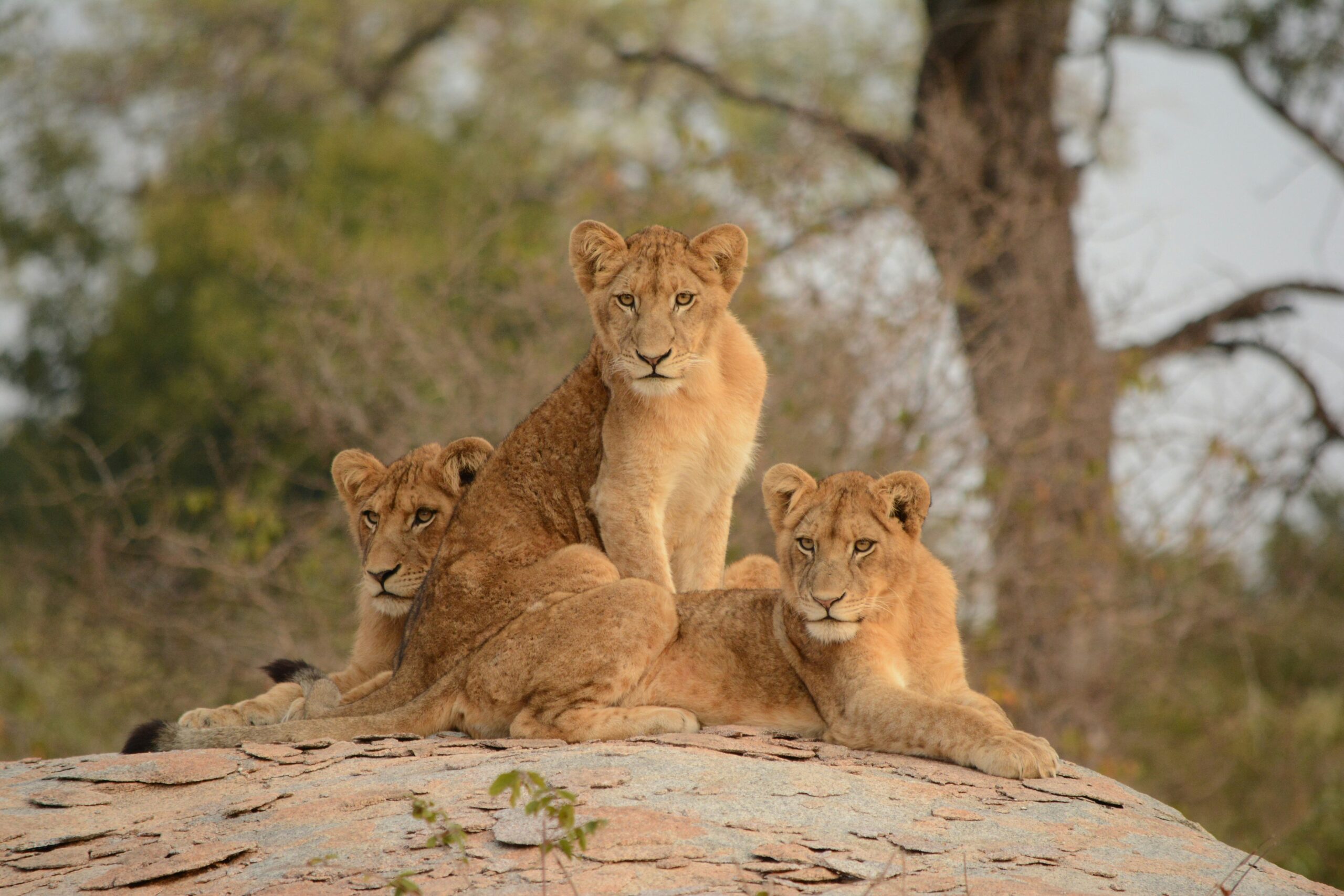
Covering almost 20 thousand square kilometres, the Kruger is more than a nature reserve. It’s a complex and protected ecosystem, where wildlife observation is done in its purest state. There are no show times, nor absolute guarantees for Kruger Game View, i.e. watching animals in the park. There are days when the ‘Big Five’ – the lion, leopard, rhino, buffalo and elephant – appear in the early hours. On other days, patience is required, not to mention the ability to track animals and read subtle signs that the guides know like the back of their hand.
Kruger Game View
The park gates open at sunrise and close at sunset, times that vary slightly according to the season of the year. Arriving early makes a difference. In addition to avoiding the hottest hours of the day, visitors are more likely to see the predators still active. During the dry season (between May and September) vegetation is less dense and the animals congregate at rivers and ponds, making sightings more likely. In the summer, the landscape is greener and the birds more active, although the fauna is more dispersed.
Wear comfortable clothes, in neutral colours, not forgetting sunscreen, a hat, and the essential binoculars. Keeping the safe distance is crucial. It’s worth remembering that the most interesting moments occur dozens or hundreds of metres away. Keeping quiet in the vehicle is also essential: noise can scare the animals off and spoil the experience.
Guided safaris have a clear advantage: the rangers communicate with one another via radio and share information about the animals’ recent movements. Be that as it may, even with such a network, nothing is predictable. Part of the fascination comes from the element of surprise.
Logistics and strategy
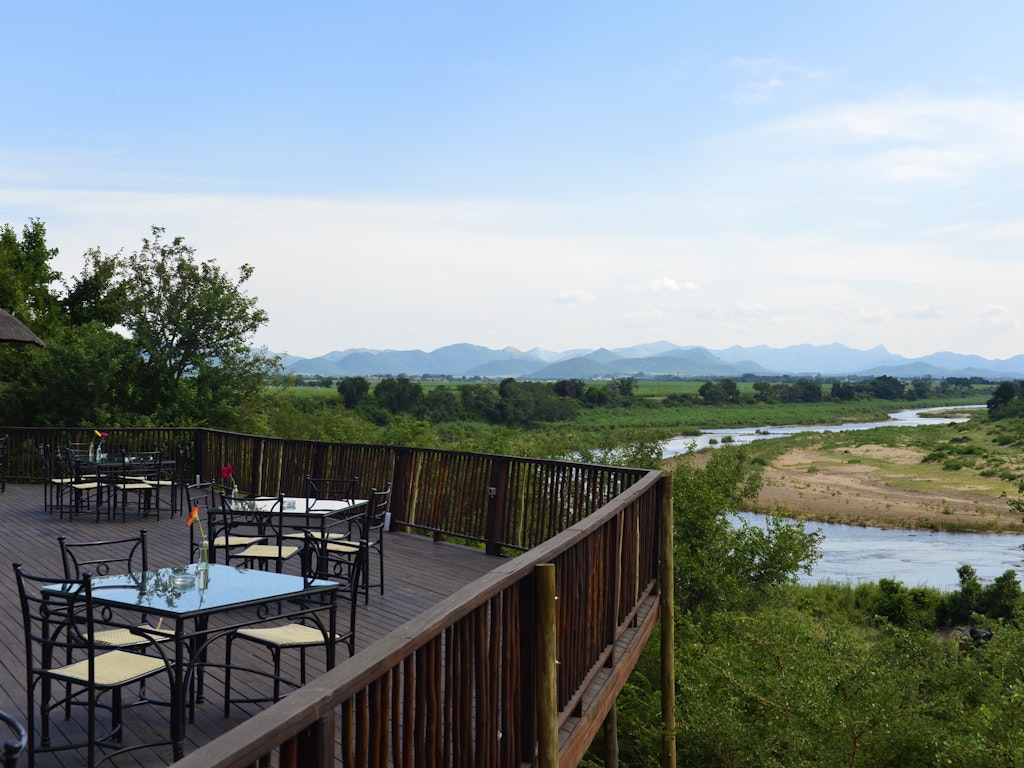
Choosing the right accommodation is a strategic factor. Being near to one of the park’s entrances allows you to leave and return early without any rush before the gates close. The Pestana Kruger Lodge, a 4-star hotel in Kruger Park, is situated near the Malelane Gate, high up, overlooking the river Sabie – one of the areas with the largest concentration of wildlife. This means less time spent travelling and more useful time inside the reserve. It also means being able to take a break at midday, when the heat is intense and there’s a drop in animal activity, returning afterwards for a safari in the late afternoon. This flexibility is particularly useful for those who want to stay longer than two days and enjoy different vibes.
At the end of the afternoon, after hours observing the savannah, there’s a subtle change in the atmosphere. The sky turns orange; the surrounding sounds change and the temperature dips slightly. There’s a sense of being in one of the last great wildernesses on the planet.
A Kruger Game View can be planned but surely not controlled. It’s not about making a list of species sighted but rather a succession of moments, some intense, others silent. Essentially, it depends on patience, an attentive eye and the ability to accept that nature drives the experience.