

In the middle of August, while inland temperatures push past 40 degrees, there's a corner to the west of Lisbon where the air is different. The Atlantic breeze comes in, the hills trap the moisture, and the temperature drops several degrees in just a few kilometres. That's the Lisbon, Sintra & Cascais triangle, and it might be the most underrated way to spend a few summer days in Portugal: city, beach and mountains all within reach, without melting or fighting through the crowds.
The advantage is geographical. Lisbon sits beside an estuary that cools it down in the evenings; Cascais lives off the coastal breeze, the same one that makes Guincho one of the windiest spots in Europe; and Sintra, just next door, has its own microclimate – cool, misty and mild – that enchanted poets and kings alike. Add to that the fact that in August, many Lisboetas head off on holiday, and the city slows down nicely.
This guide shows how to make the most of all three in a single itinerary: where the cool air is, what to see in each place, and where to stay to move between a city palace, the hills and the sea. At the end, we answer the most common questions for anyone wanting to do Lisbon, Sintra and Cascais without the stress of peak summer heat.
The Lisbon-Sintra-Cascais triangle at a glance
Where it is: to the west of Lisbon, between the Tagus estuary, the hills of Sintra and the coastline of Cascais and Estoril.
Why it stays cool in summer: the Atlantic breeze and Sintra’s mountain microclimate keep temperatures noticeably lower than inland.
How it connects: train from Lisbon to Cascais and to Sintra, with a scenic mountain road linking the two.
Good for: anyone who wants city, beach and nature in the same trip, without the crowds or the extreme heat.
Why Lisbon, Sintra and Cascais are better in summer
The answer is the ocean. This entire stretch of coast lives under the influence of the Atlantic, which keeps the heat in check and brings what the Portuguese call the nortada – the north-westerly wind that cools down summer afternoons. So even when temperatures soar in the Alentejo or the Tagus valley, the Lisbon and Cascais coastline rarely reaches the same extremes, and evenings almost always call for an extra layer.
Then there’s Sintra, which works like a natural air conditioner: its altitude and proximity to the sea trap the moisture, keeping it green and cool when everything around it turns dry. The result is a summer destination with three different temperatures on offer, just minutes apart. For a broader picture of the region, the Lisbon destination guide covers everything the area has to offer.
Sintra: the cool hills where summer slows down
Sintra is the classic escape from Lisbon’s heat, and it’s been that way for centuries: this is where Portuguese royalty came to spend their summers, and it was this misty mountain that Lord Byron called a glorious Eden. Today, Sintra’s cultural landscape is a UNESCO World Heritage Site, with the Palace of Pena on the heights, the Moorish Castle on the crags, and the Quinta da Regaleira with its initiatic wells. Walking through here, among ferns and morning fog, is to feel ten degrees cooler than in the streets below.
To stay right inside all that greenery, Pestana Sintra combines golf and a spa in a mountain resort setting, ideal for mixing palace visits with proper downtime. For tickets and opening times at the monuments, it’s worth checking Parques de Sintra, which manages Pena, the Moorish Castle and Monserrate.
Cascais: Atlantic breeze and a fortress full of art
Once a fishing village turned royal retreat and later a favourite of Lisbon’s upper classes, Cascais is the definitive picture of coastal summer near the capital. You get there by train, along the line that hugs the shoreline from Cais do Sodré, and out come the bay, the marina, the dramatic drop of Boca do Inferno, and further along, Guincho beach – so swept by the wind that it hosts world-level surf and bodyboard competitions. That same breeze is what makes summer afternoons here bearable when the rest of the country is sweltering.
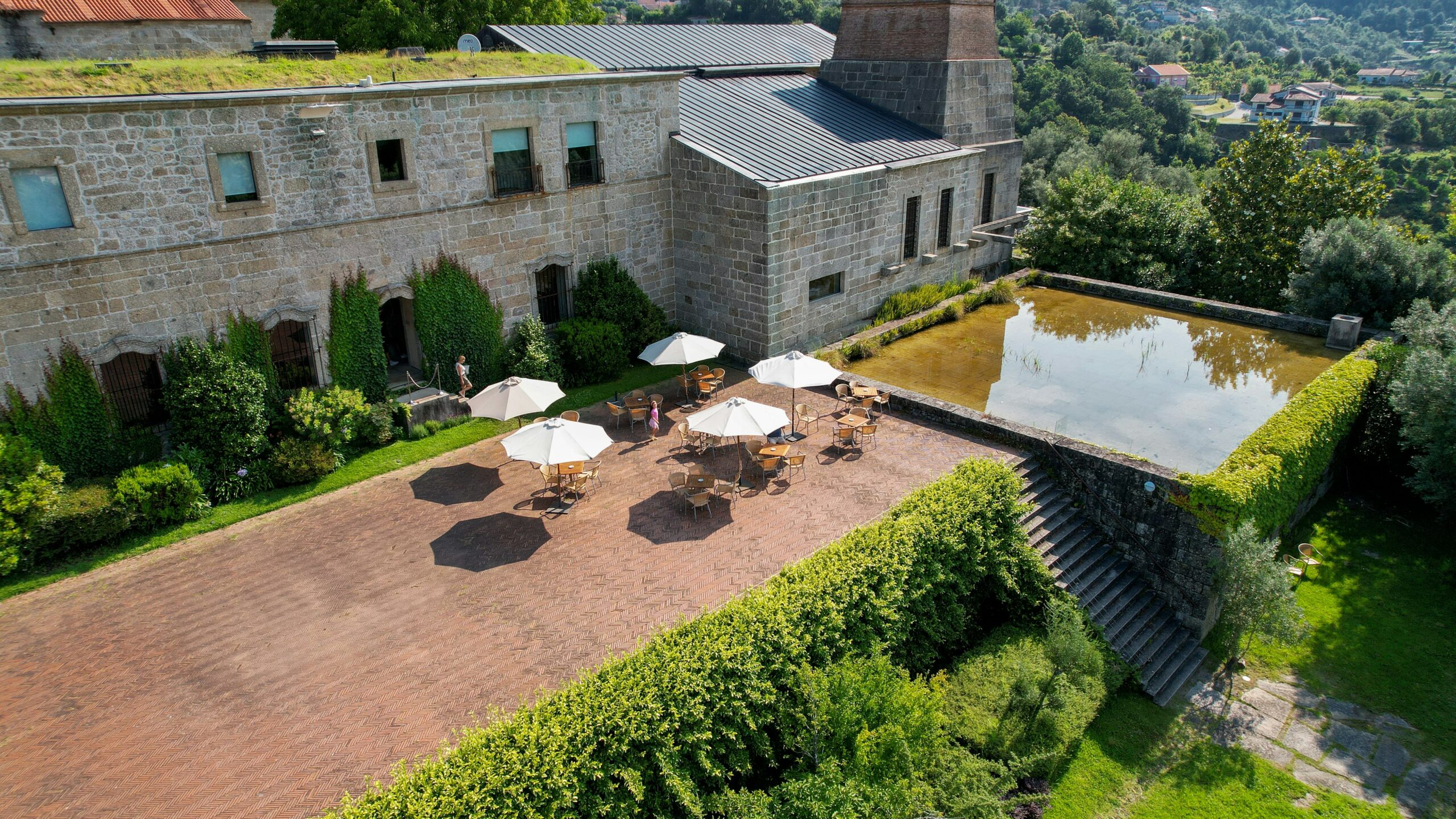
Right in the heart of the village, within the walls of a 15th-century fortress, sits Pestana Cidadela Cascais, a Pousada that shares its space with artists’ studios and galleries. We wrote about that rare mix of history and art in Cidadela Art District, living art in Cascais. Those who’d rather wake up right by the water also have Pestana Cascais, facing the ocean directly.
Lisbon: a riverside city, quieter in August
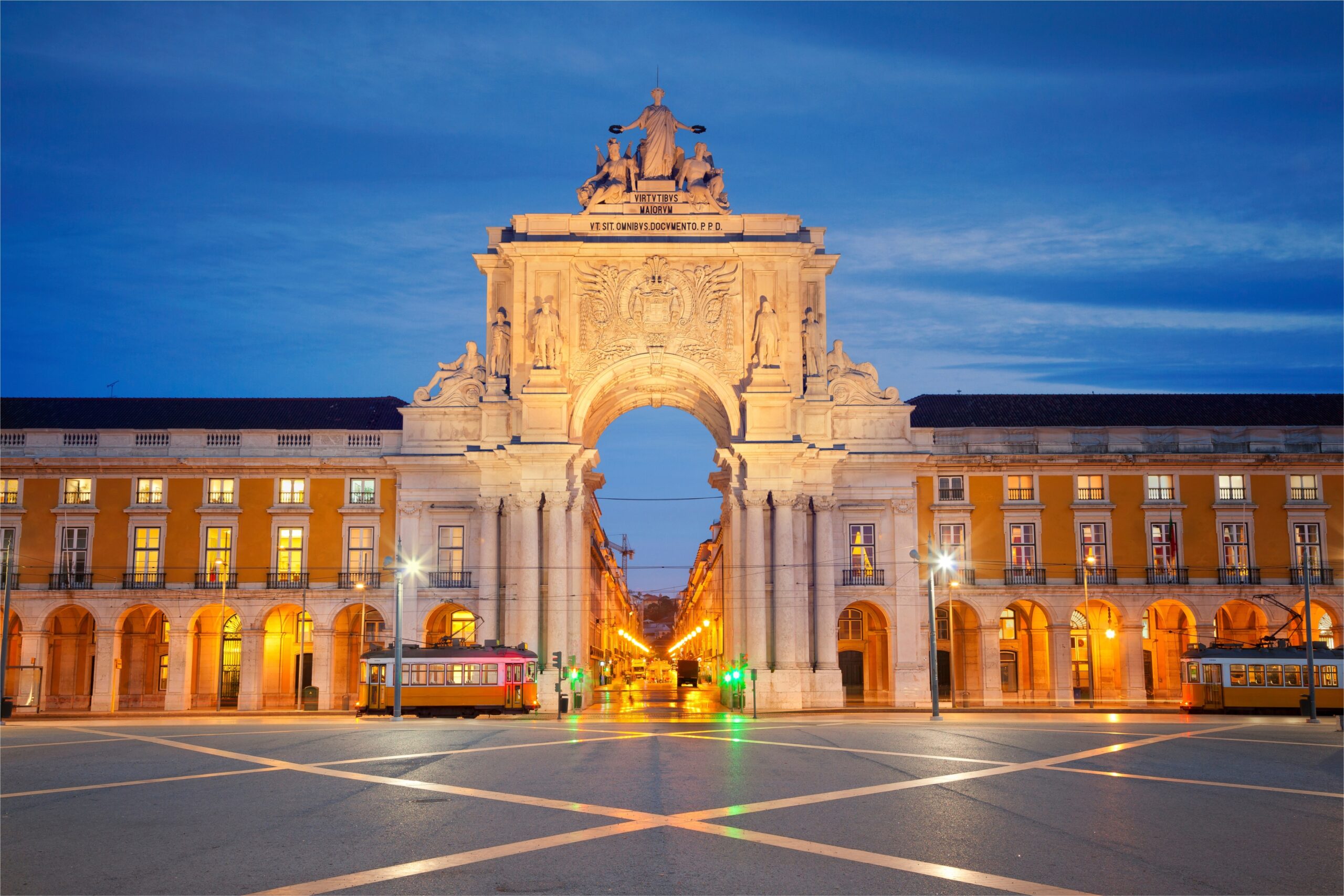
Lisbon has a reputation for summer heat, but it has its tricks. The Tagus estuary opens the city to sea air, and by late afternoon the viewpoints fill up with people catching the breeze off the river with the city spread out below. August also brings a quieter bonus: with so many locals away on holiday, several neighbourhoods find a calmer pace, making it easy to wander through the Baixa, Alfama or along the riverside without feeling rushed.
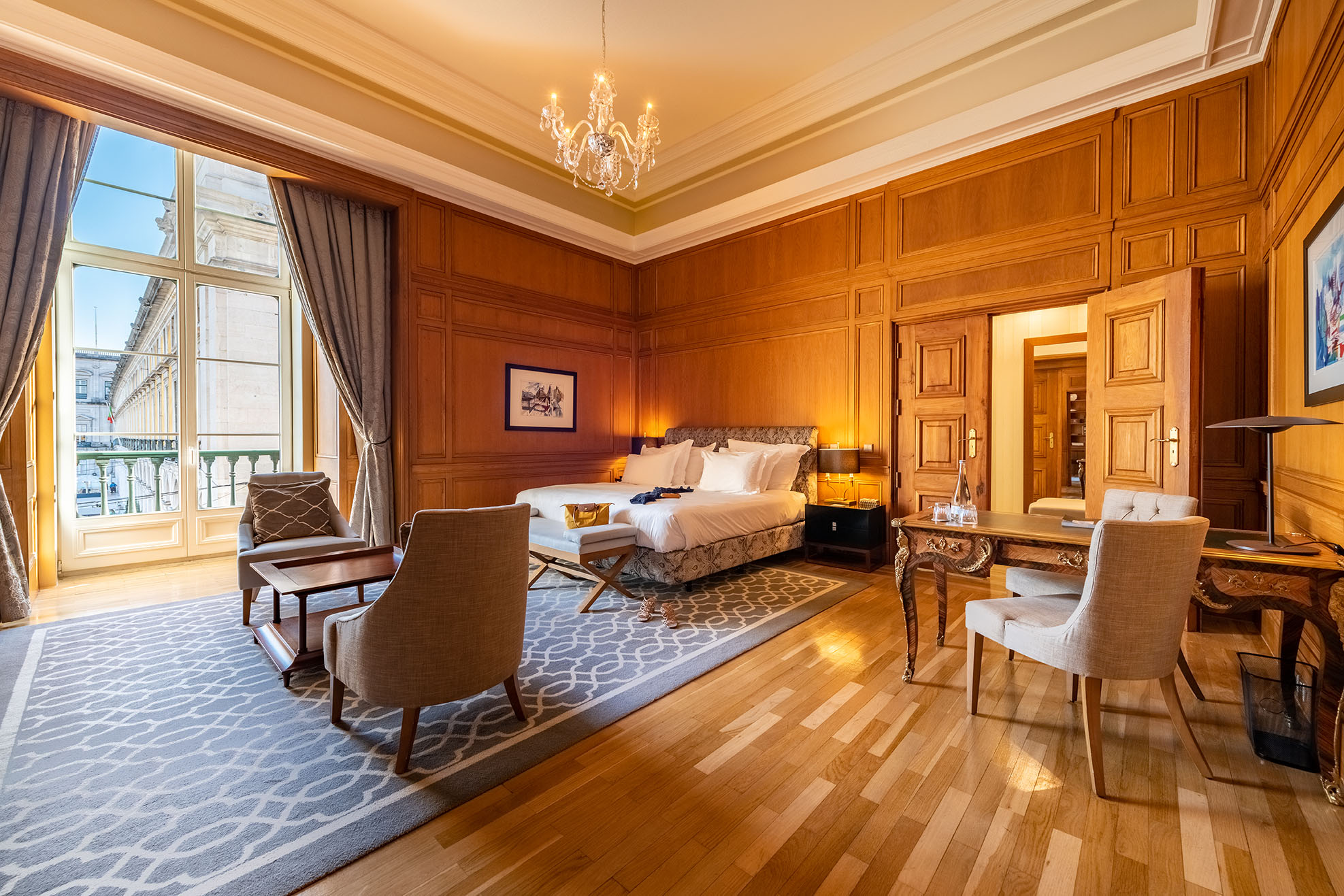
To sleep in style, the Pestana Palace is in a league of its own: a 19th-century palace classified as a National Monument, with its own gardens that act as a green oasis in the middle of the city, well away from the tarmac. If it’s your first visit, our Lisbon in 48 Hours itinerary will help you plan your days, and Visit Lisboa is great for extra ideas.
| Base | Character | Why is it refreshing | Best for |
| Sintra | Hills, palaces and mist | Mountain microclimate, humid and cool | Nature, monuments, peace and quiet |
| Cascais | Coastal town with a citadel and marina | Atlantic breeze (the northerly wind) | Beach, walks and art |
| Lisbon | City on the banks of the Tagus | River air and calmer afternoons in August | Culture, food, central base |
How to combine Lisbon, Sintra and Cascais in one trip?
The great advantage of the triangle is how close everything is. From Lisbon, there are direct trains to Cascais from Cais do Sodré, running along the coast, and to Sintra from Rossio, in about forty minutes. Between Sintra and Cascais, the road through the hills and along the coast connects them through scenery worth the journey in itself. You can use Lisbon as a base and do Sintra and Cascais as day trips, or spend a night at each point to get a feel for all three. See the coastal options in the Cascais destination guide.
Frequently asked questions about Lisbon, Sintra and Cascais in summer
Yes, especially for anyone wanting to escape the intense heat of the interior. The Atlantic breeze and Sintra’s mountain microclimate keep the region cooler, and the three spots bring together city, beach and nature just minutes apart.
The Sintra hills have their own microclimate: the altitude and proximity to the ocean trap moisture and vegetation, making it noticeably cooler and mistier than downtown Lisbon, just a few kilometres away.
By train: to Cascais from Cais do Sodré, along the coast; to Sintra from Rossio, in about forty minutes. Between Sintra and Cascais, you go by car or bus along the hill and coastal road.
It depends on your pace: Pestana Sintra for the hills and the spa; Pestana Cidadela Cascais, inside a fortress with art, or Pestana Cascais, right by the sea; and Pestana Palace for a palace with gardens in the heart of Lisbon.
Yes. Despite the heat, the Tagus air cools the city down in the evening, and with many locals away on holiday, several neighbourhoods get noticeably quieter. Paired with day trips to Sintra and Cascais, Lisbon makes an excellent summer base.