
Art installations light up the city, inviting you to discover it in new ways at the 15th edition of the Amsterdam Light Festival.
Amsterdam is perfect for a winter getaway, particularly from 26 November 2026 to 17 January 2027, when the Amsterdam Light Festival turns the city’s canals into an open-air art gallery. The annual event uses the city as an exhibition space for just over seven weeks, when art spills out of museums and galleries onto the streets, swamping bridges, riverbanks, squares and even the water.
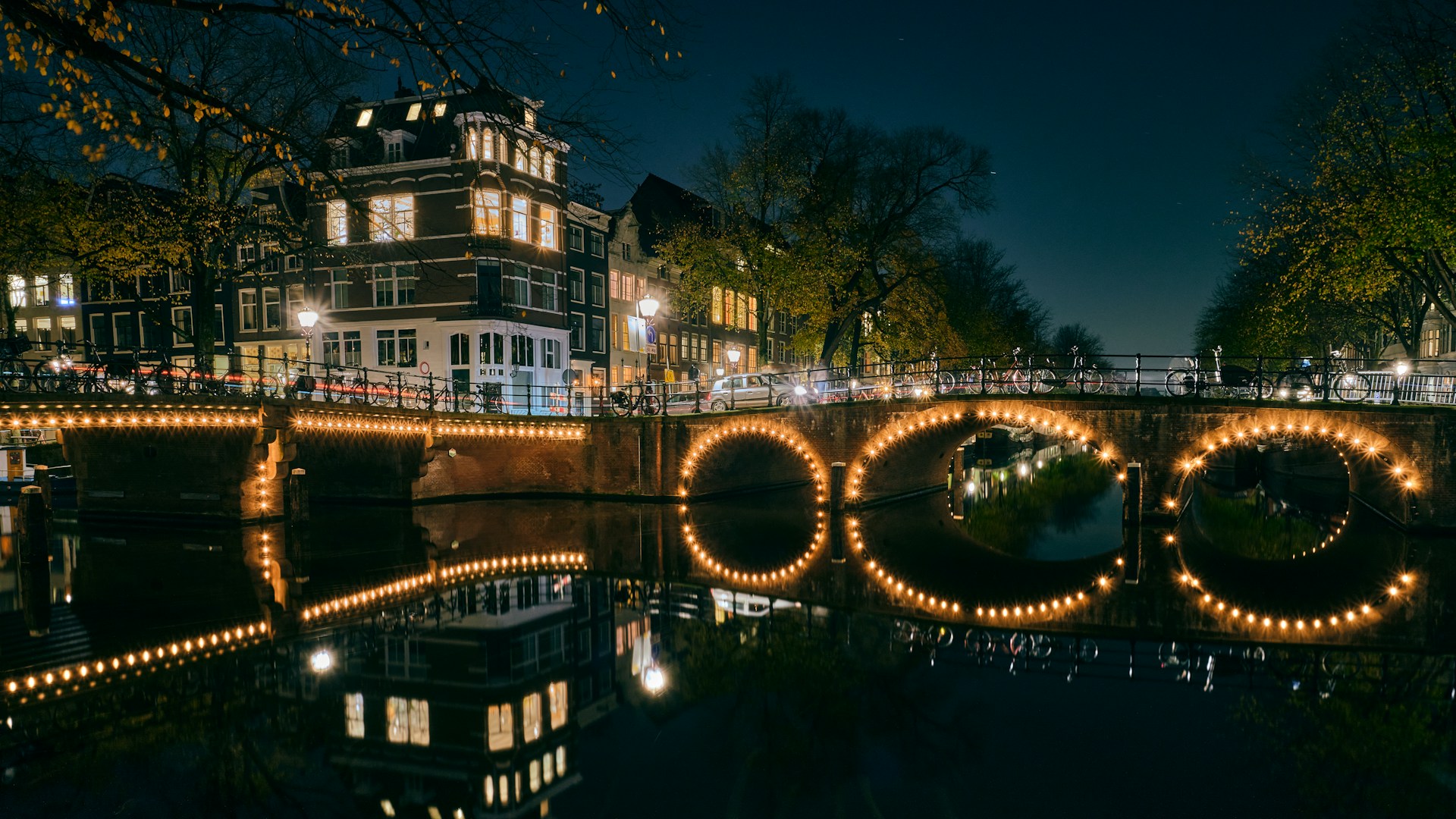
For 53 nights, the canals of Amsterdam work as a canvas for a new selection of light installations, created by domestic and international artists. These contemporary art installations have been specifically designed to engage with the city, its architecture and canals. Some occupy large areas of water; others are placed on façades, among trees or next to less obvious pathways. The experience varies depending on whether you’re viewing the city from a bridge, a bicycle or a boat window.
The 2026/27 edition features an entirely new route, with anticipation being part of the charm. The familiar city can unveil itself from unexpected angles, and those already familiar with Amsterdam have a reason to return and explore the canals with fresh eyes.
The city as gallery
As evening falls, the city lights up. The festival lights come on daily from 4.30 pm until 11 pm, coinciding with the time shop windows, street lamps and illuminated windows start taking shape in the canal reflections. It’s a good time to enjoy a warm drink along the way and let the route unfold naturally, leaving time for stops and contemplation.
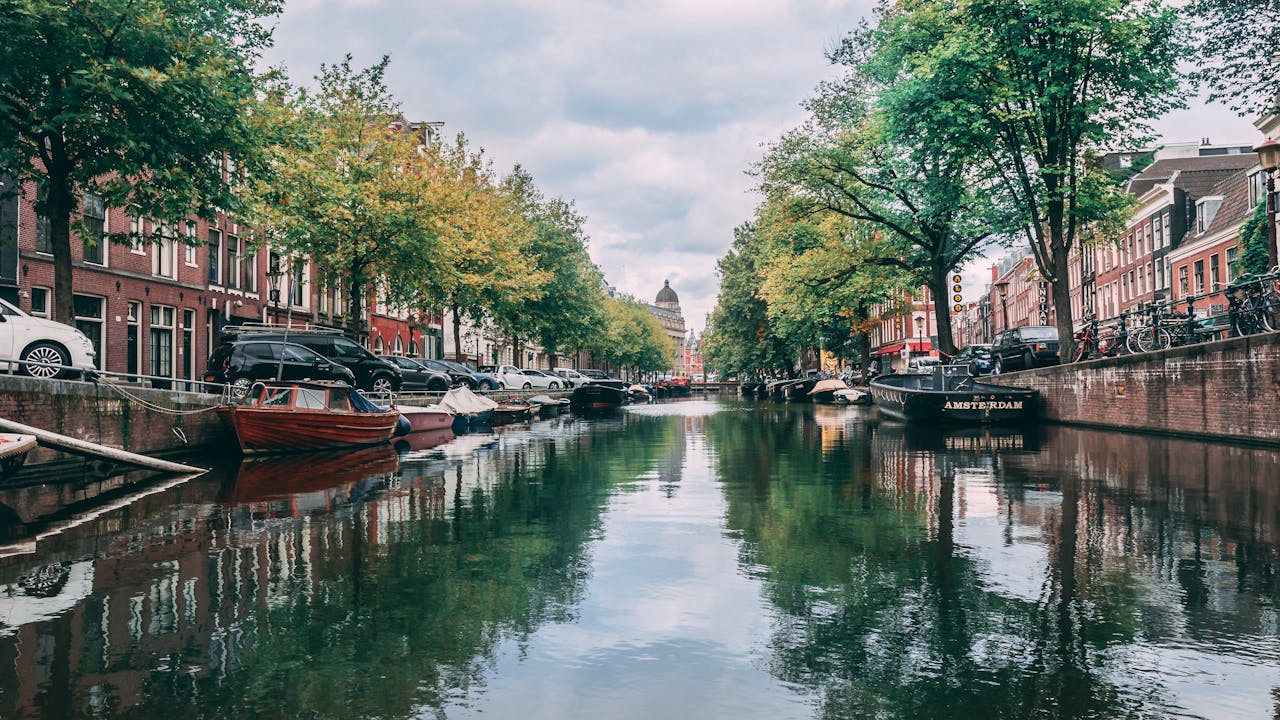
Water is crucial to the experience. In the Dutch capital, canals are a very vivid presence, creating reflections, amplifying colors and altering visitors’ perception of the installations, as you walk along the banks. The nuances require a keen eye to be noticed.
This year’s edition also marks 15 years of light art in Amsterdam. To celebrate the occasion, the festival has organized a completely new route, free of charge (as always), with a supporting programme and free activities along the way, which is yet another reason to enjoy the event, not as a series of photographs but for the subtle shifts in perspective between one stop and the next.
The event is geared to different paces. Some will want to cover the entire route in one evening, while others will want to split the route up, combining part of the festival with a visit to a museum, dinner in the Jordaan or a stop at a café in De Pijp. The festival app allows you to follow the route in sections and look up information about the artworks, a useful aid for those who prefer to explore the city more off-the-cuff.
The walking route is around six kilometres long and can take about an hour and a half, not including stops, though it can always be done over more than one day. Cycling is another option that offers the same flexibility, which is suitable for those who want to create their own tour, stop wherever they want and combine the festival with dinner or a visit to a bar.
For those looking for a more comprehensive view, there are canal cruises dedicated to the festival, providing a more continuous perspective of the route. Many boats have central heating and large windows, a real bonus on the cold, damp nights of December or January.
At this time of year, the Dutch capital has plenty of other attractions. From winter events and markets to museums and leisurely meals in neighborhoods such as De Pijp, Jordaan or Plantage, the Amsterdam Light Festival is yet another activity that boosts any trip and brings a day out to a brilliant close.
Where to stay
To experience the festival to the maximum, with plenty of room for spontaneity, staying somewhere with good tram or bus connections is a good idea. The Pestana Amsterdam Riverside is located next to the River Amstel, in the De Pijp neighborhood, a well-located area for reaching the historic centre and returning after an evening out. This 5-star hotel in Amsterdam, which features in the Michelin Guide’s selection of recommended hotels, boasts two historic buildings and combines this historical heritage with contemporary rooms, a spa and an indoor swimming pool. After several hours out in the cold, returning to a quiet, warm space is key to the experience.
De Pijp is, in its own right, a great neighborhood to include in your itinerary. The Albert Cuyp Market, the local cafés and the range of dining options has made it a more residential and less touristy alternative to some areas of the city centre. From the hotel, it’s easy to get to the Museumplein, to the city centre’s canals or to areas further east, depending on the festival’s final route. Staying away from the busiest spots allows visitors to discover a more everyday and authentic side of Amsterdam.